OUR PHILOSOPHY
Sourcing the Best Fruit
At Novum, every idea begins in the vineyard.
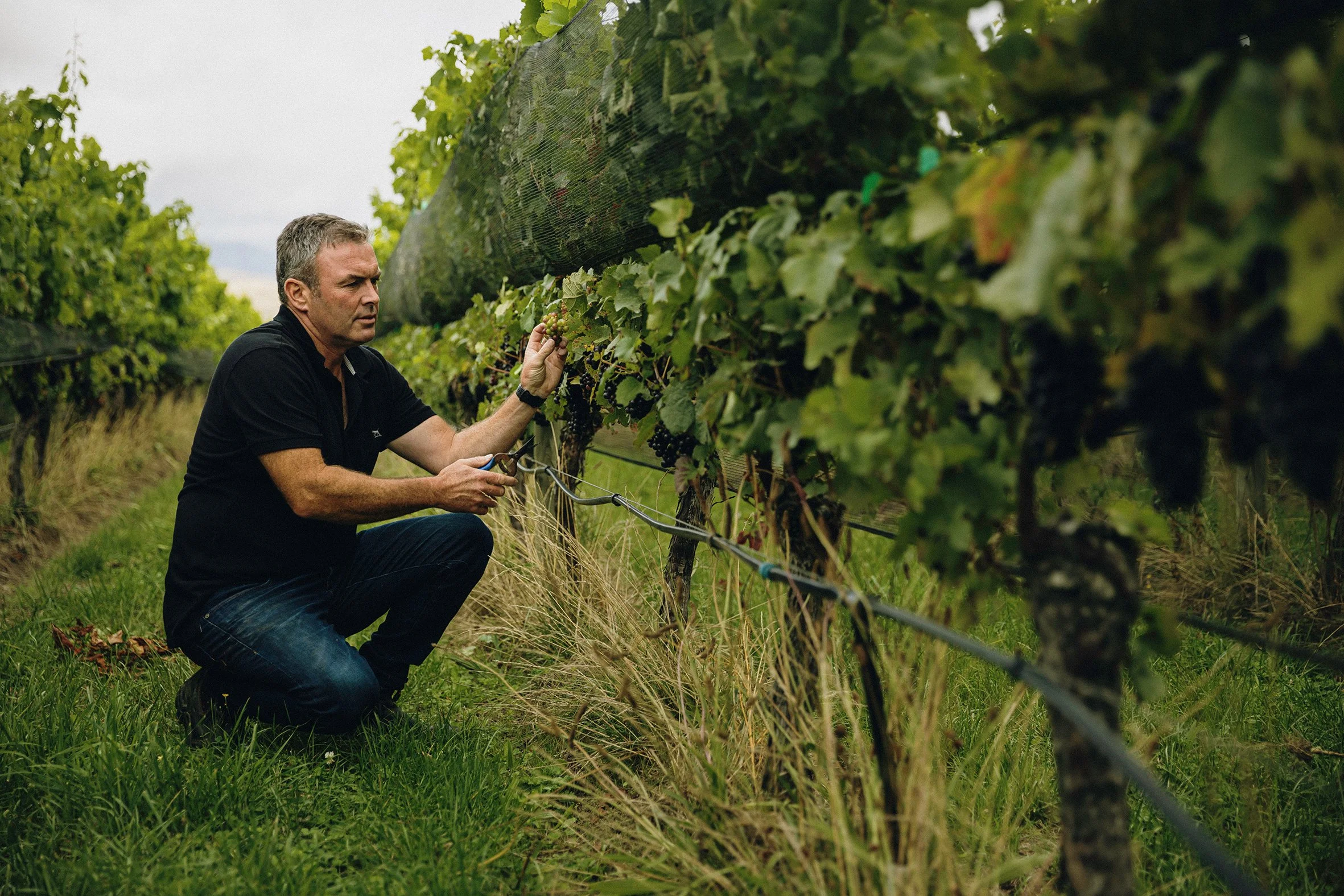
Long before we gave it a name, we had for years walked the rows, tasting in different seasons, learning how each corner responded to sun, wind and rain. Over time, that work built an intuitive understanding of our vineyards that quietly informed everything we did.
It was through this steady accumulation of knowledge – countless tastings, small comparisons, noticing how one edge of a block always tasted just that little bit different – that a pattern emerged. We began seeing each vineyard as a mosaic of tiny, distinct zones.
Finding the Sweet Spots
“Our Sweet Spot Theory underpins our commitment to innovation in the vineyard and winery, and our pursuit of wines that taste genuinely, unmistakably, from here and nowhere else”.
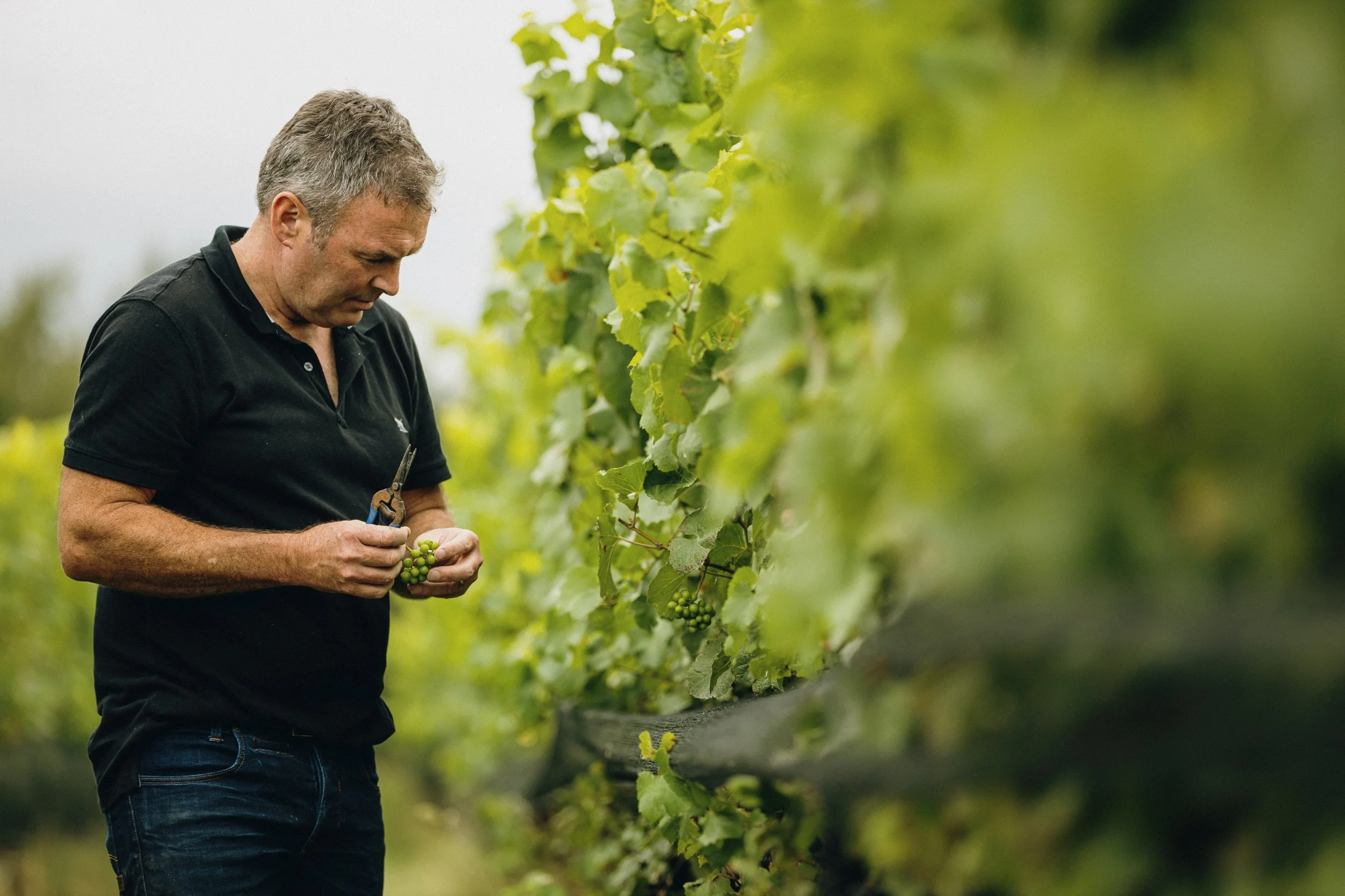
This led to what we now call our Sweet Spot Theory: the belief that within every larger vineyard block there are small pockets – a corner near a shelter belt, a narrow band along a gentle slope, a particular Pinot clone at the end of a few rows – that consistently produce fruit unlike anything else on the site.
After years of walking, tasting and mapping our vineyards, we learned to identify these “sweet spots” and harvest them separately.
A New Way of Thinking
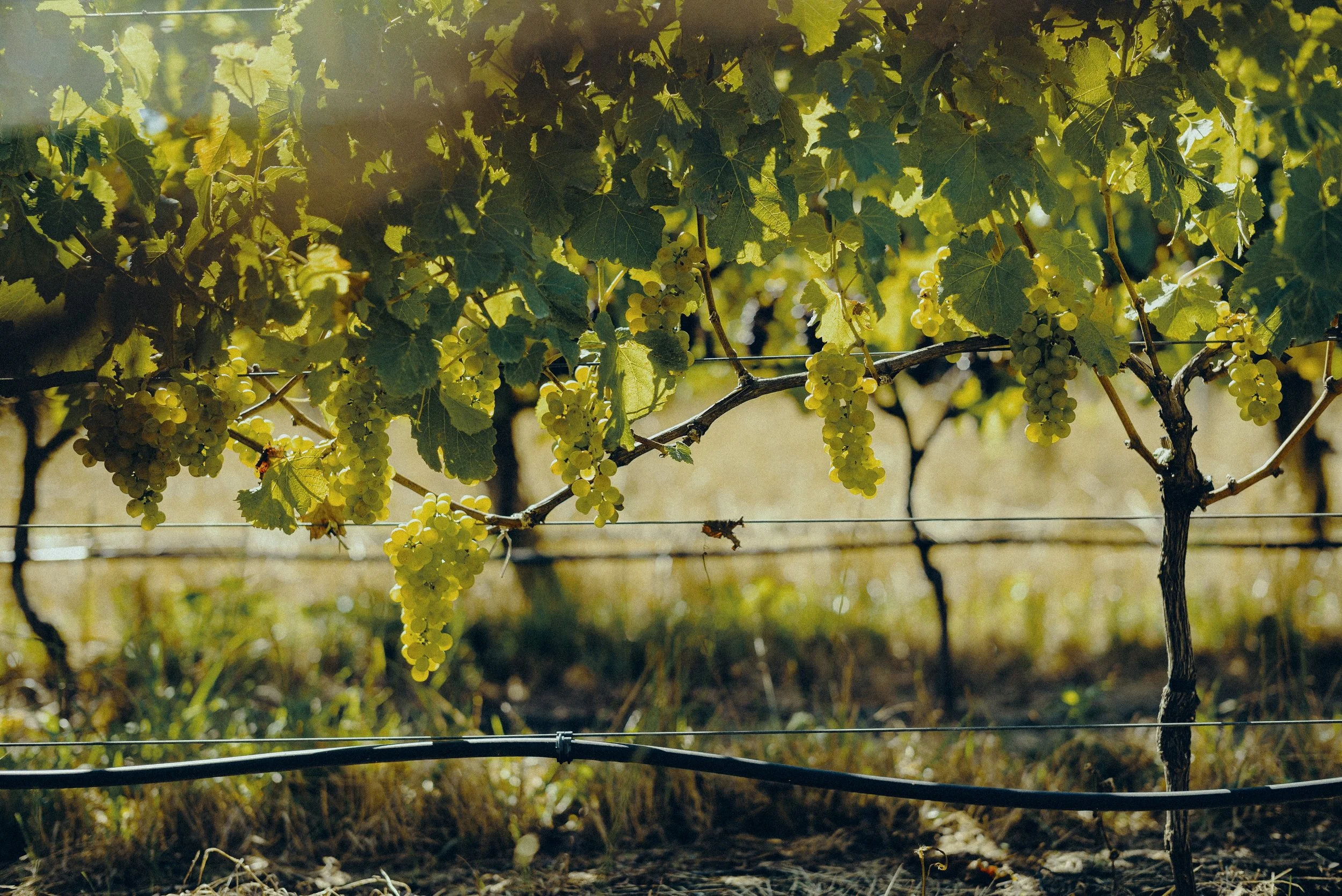
Traditionally, vineyards are divided by variety, block or clone. Dissecting them into such fine detail is uncommon; it demands time, focus and an intimate understanding of every row.
This precision is where real vineyard and winegrowing innovation happens. It’s a new way of thinking about terroir, about site selection, and about how we grow and interpret fruit in New Zealand.
Today, the Sweet Spot Theory is a defining part of Novum’s identity – our own piece of New World, outside-the-square winegrowing, and a quietly radical approach to vineyard selection in Marlborough and New Zealand.
Health and Wellbeing
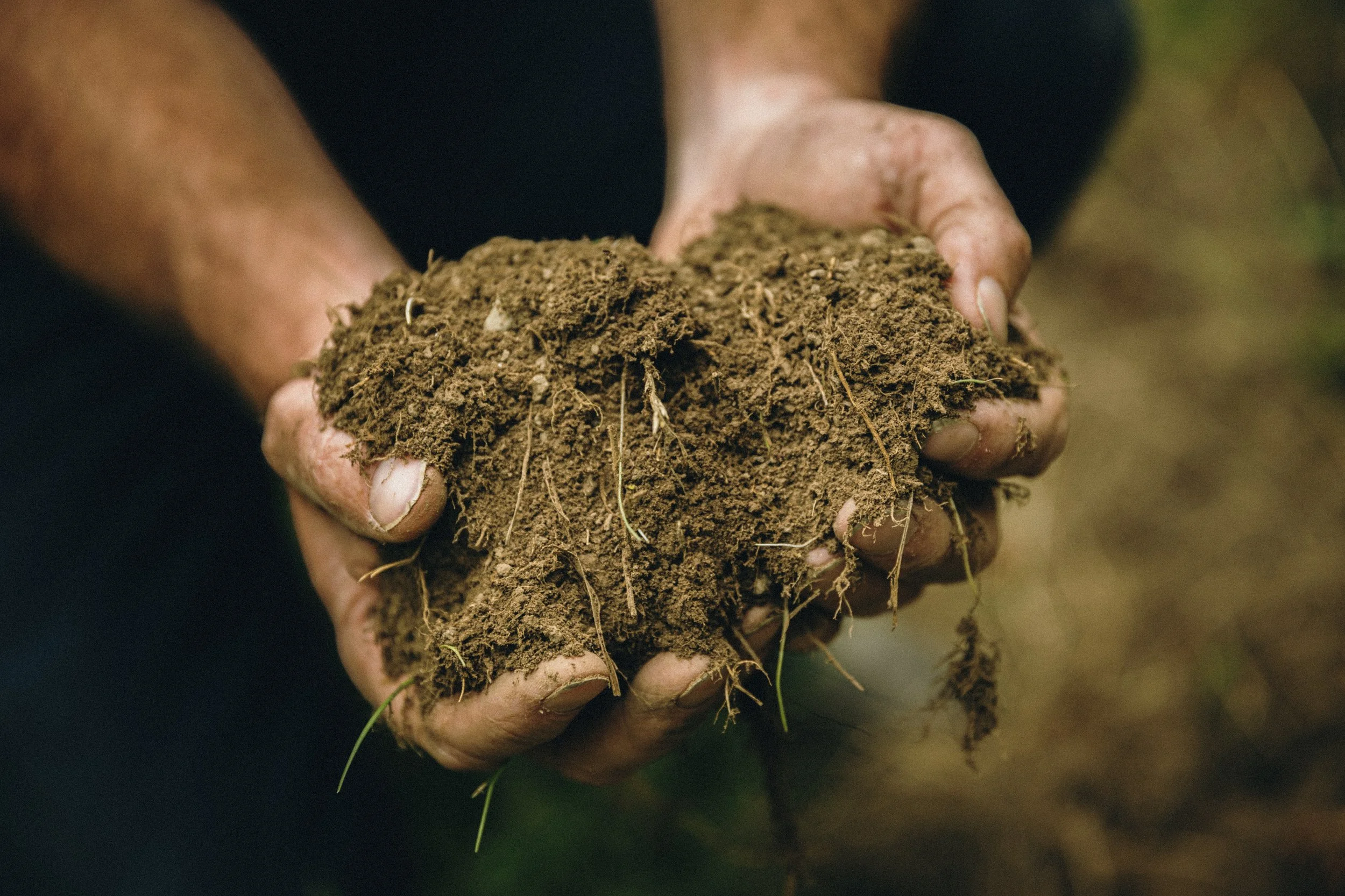
Our self-imposed boundaries are defined by what we care deeply about: looking after the land; and producing great wines.
To truly push boundaries and think creatively, we choose not to be boxed in by any particular philosophy – whether organic, biodynamic or regenerative. We care deeply about two things: looking after the land and producing great wines. These are our only self-imposed boundaries.
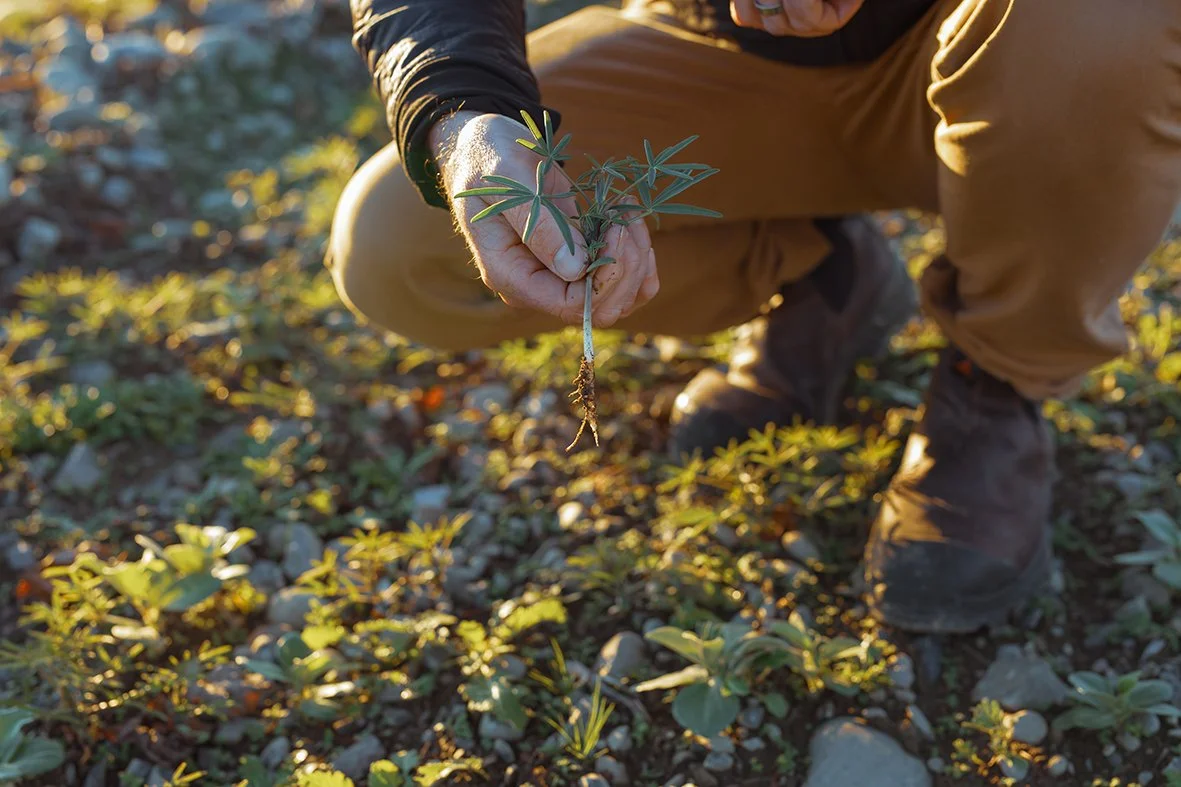
Winegrowing is inherently a creative endeavour, and we celebrate that. Each of our vineyards has its own unique terroir, and because of this, they all respond differently to climatic changes, canopy and soil management. What works for one rarely works for another. For example, Riverbrook Vineyard's soil matrix is predominantly stone, making under vine weeding largely ineffective – whereas at Quarters Vineyard, where the soil is clay-based, it works extremely well.
The Fine Details
Our size gives us a luxury that larger wineries rarely have: the ability to spend most of our time analysing at the micro level, examining every detail. We use trial and error to make 1% changes — small refinements that edge us closer to producing truly great wines.
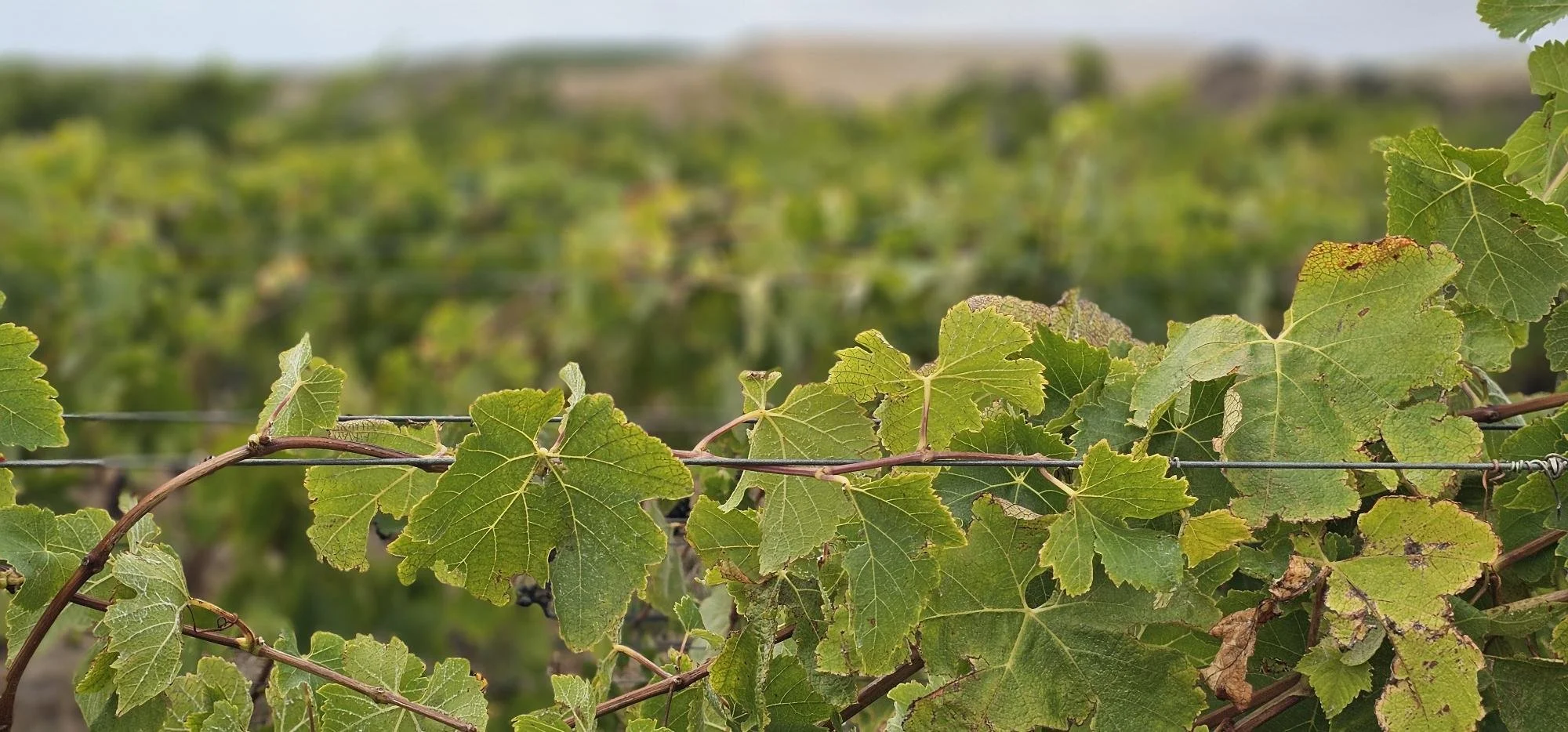
The use of tressage – a technique of weaving canes horizontally along the wire – is a good example of this.
Ten tiny changes can lead to a significant shift in the final wine. We talk about the 1% rule constantly, and it applies to every part of what we do in the vineyards.
Our Vineyard Team
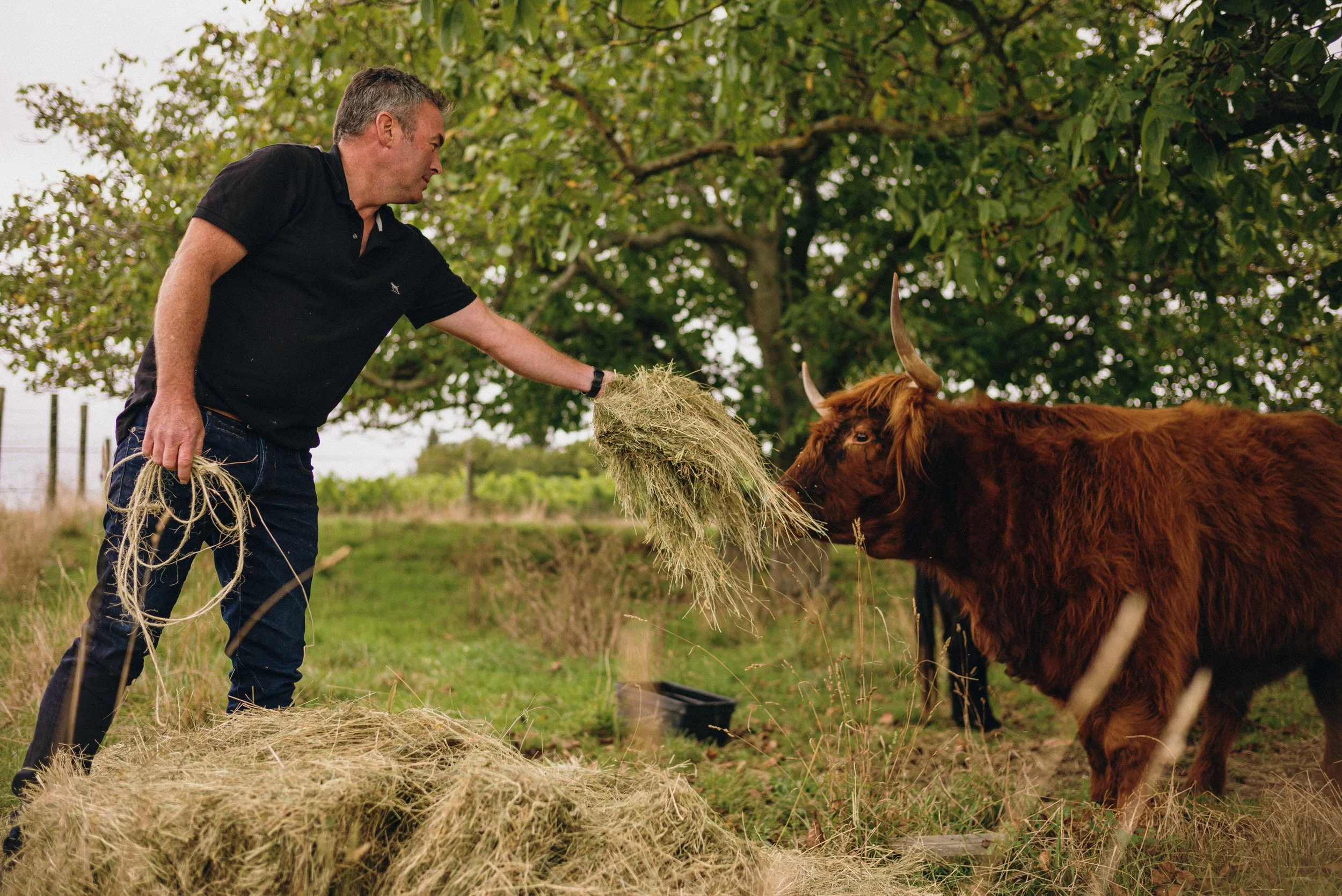
We like to think the vineyard runs on skill and taste.
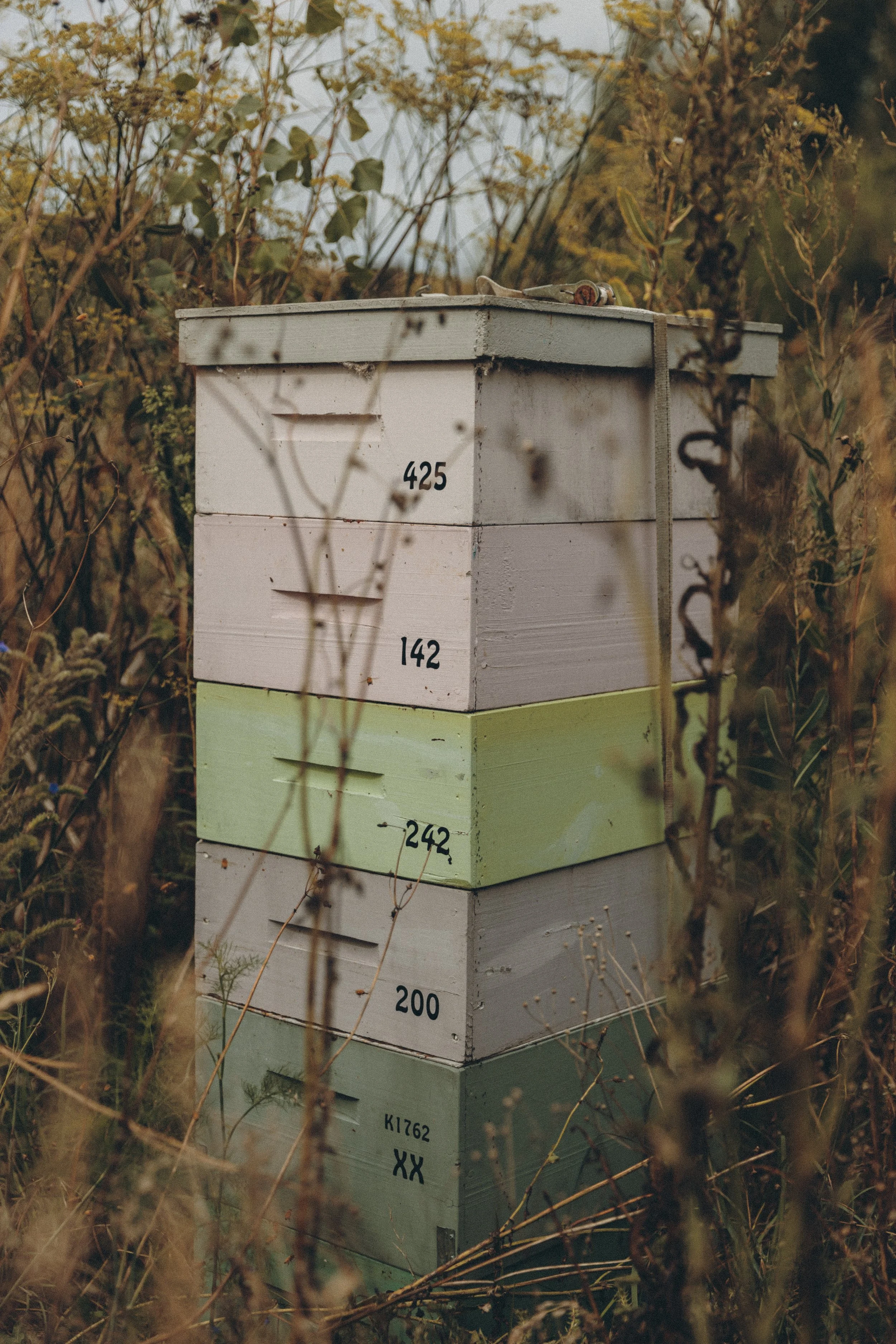
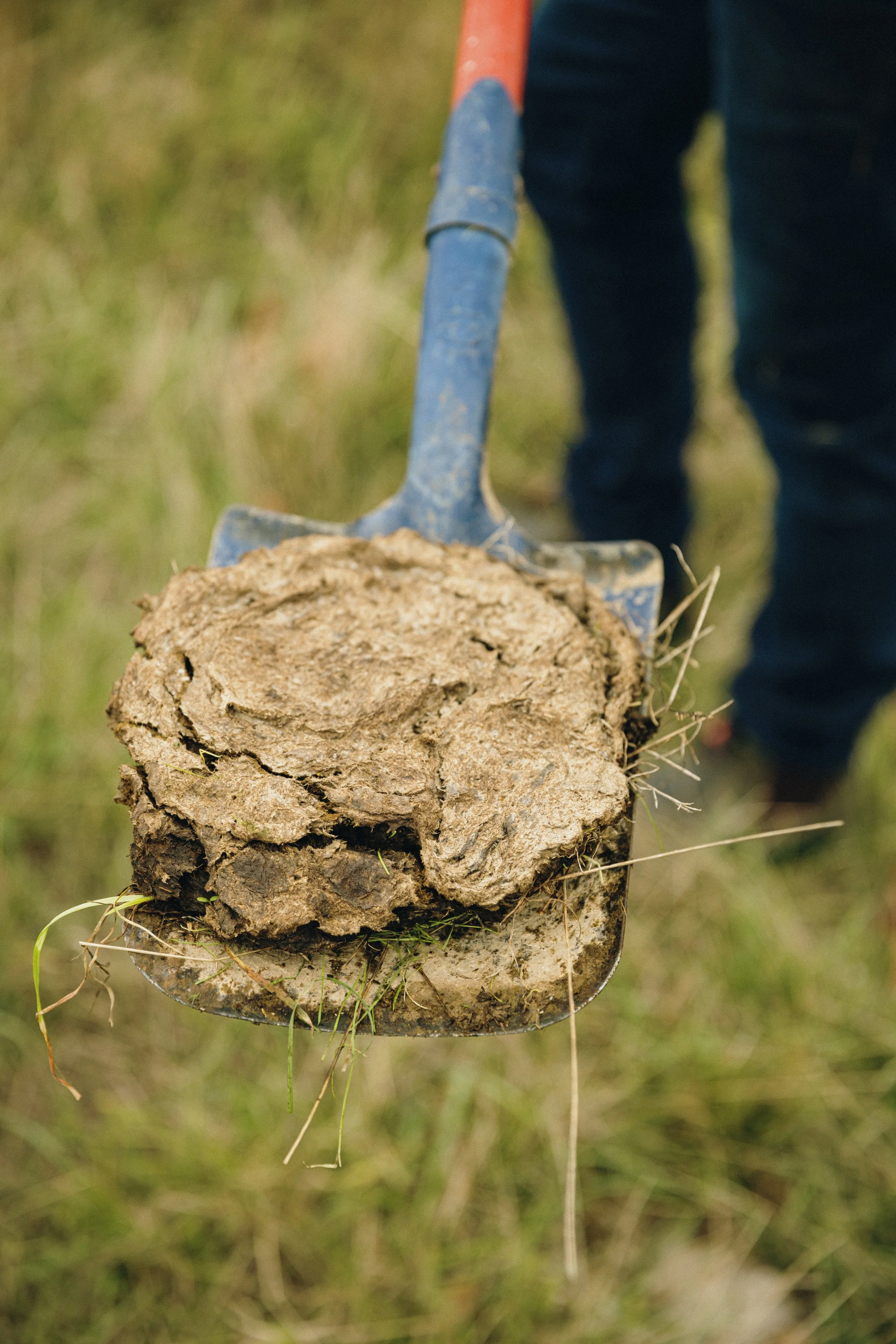
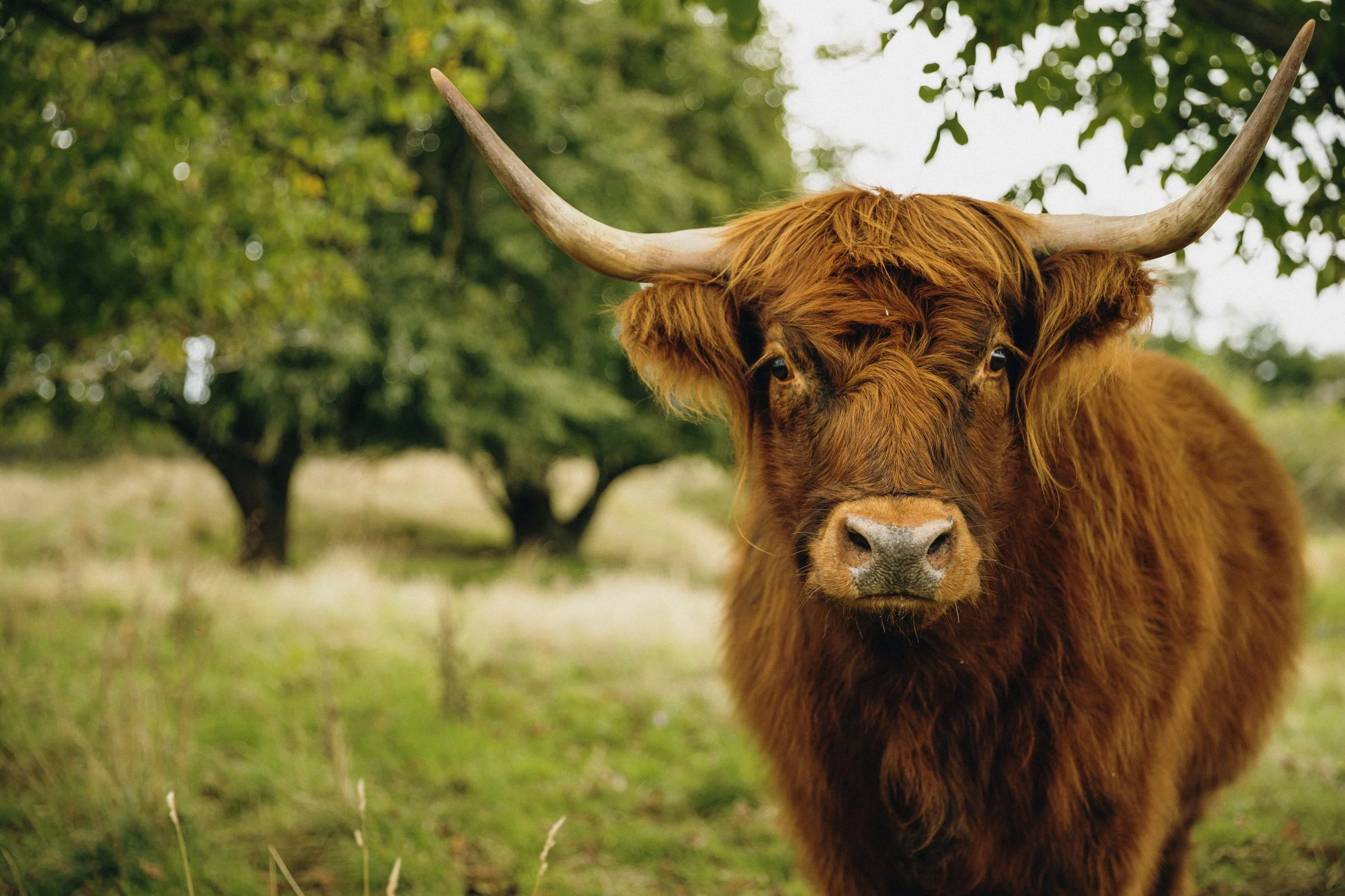
In reality, it thrives because of Ham, Burger and Pattie, who handle compost logistics; legions of bees that pollinate our cover crops and summon beneficial predators; microbes quietly tending vine health; earthworms – the soil’s engineers; and birds that patrol for pests and provide the seasonal soundtrack – all working alongside a small, dedicated handful of people who turn great fruit into great wine.